From Plastic to Paper: Are One-Step Forming Bags the Sustainable Packaging Solution for Retail
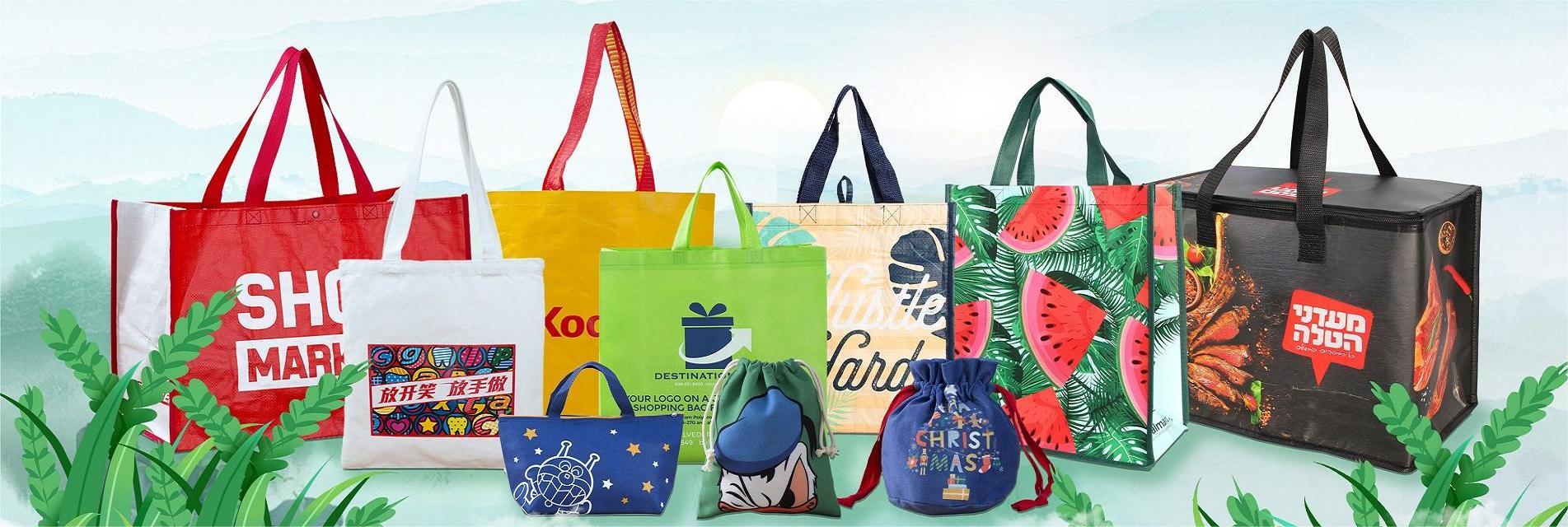
As retailers seek greener alternatives to traditional plastic packaging, one-step forming bags are emerging as a promising solution. By combining efficiency, versatility, and sustainability, these bags are capturing attention in an industry increasingly driven by environmental responsibility.
One-step forming machines allow manufacturers to produce bags from a variety of materials, including paper, recycled plastics, and biodegradable films, in a single streamlined process. This automation reduces production time, labor costs, and material waste, while providing consistent quality across large batches.
Paper-based one-step forming bags, in particular, are gaining traction as a sustainable replacement for single-use plastic bags. Made from recycled or FSC-certified paper, these bags are biodegradable, recyclable, and often compostable, making them an attractive option for eco-conscious retailers and consumers alike. The ability to customize bag size, thickness, and print design further enhances their appeal, allowing brands to combine sustainability with marketing potential.
Experts note that while paper bags may have slightly higher upfront costs compared to traditional plastic, the long-term benefits—both environmental and reputational—can outweigh the investment. Retailers adopting these bags also align with global initiatives to reduce plastic pollution, helping to meet both regulatory requirements and growing consumer demand for sustainable packaging.
Industry insiders predict that as production technologies improve and material costs stabilize, one-step forming paper bags could become the new standard for retail packaging, bridging the gap between operational efficiency and environmental responsibility.
With their combination of convenience, versatility, and eco-friendliness, these bags represent more than just a packaging trend—they are a potential cornerstone of sustainable retail practices for the years ahead.
Latest News
-
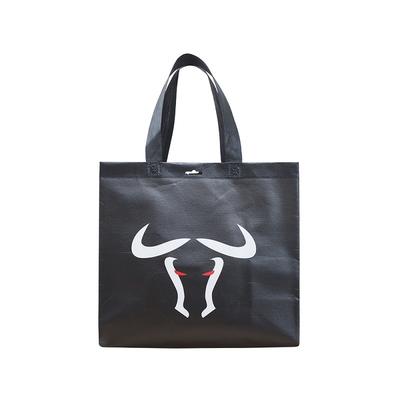
Walmart Adopts One-Step Forming Technology: A Game-Changer for Fast, Customizable Shopping Bags
2025-11-12Walmart is taking a significant step toward modernizing retail packaging with the adoption of one-step forming technology for its shopping bags. This innovative approach promises faster production, enhanced customization, and improved sustainability, positioning Walmart at the forefront of retail packaging innovation.
-
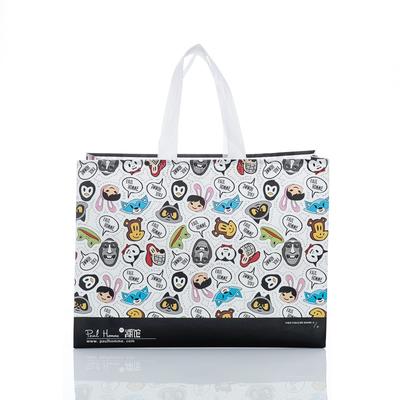
From Plastic to Paper: Are One-Step Forming Bags the Sustainable Packaging Solution for Retail
2025-11-05As retailers seek greener alternatives to traditional plastic packaging, one-step forming bags are emerging as a promising solution. By combining efficiency, versatility, and sustainability, these bags are capturing attention in an industry increasingly driven by environmental responsibility.
-
One-Step Forming Machine Revolution: How Automated Bag Production Cuts Costs by 30%
2025-10-29The packaging industry is witnessing a major transformation with the introduction of the one-step forming machine, a technology that automates the production of plastic and paper bags while significantly reducing operational costs. Early adopters report cost savings of up to 30%, making this innovation a game-changer for bag manufacturers and retailers alike.
-

Why T-Shirt Bags Remain the Top Choice for Retailers: Cost, Durability, and Branding Potential
2025-10-22Despite the rise of reusable and eco-friendly alternatives, T-shirt bags continue to be a favorite among retailers worldwide, thanks to their unmatched combination of affordability, durability, and branding potential.