One-Step Forming Machine Revolution: How Automated Bag Production Cuts Costs by 30%
The packaging industry is witnessing a major transformation with the introduction of the one-step forming machine, a technology that automates the production of plastic and paper bags while significantly reducing operational costs. Early adopters report cost savings of up to 30%, making this innovation a game-changer for bag manufacturers and retailers alike.
Traditional bag production often involves multiple steps—cutting, sealing, folding, and printing—requiring extensive labor and production time. The one-step forming machine streamlines this process by combining multiple production stages into a single automated operation. Bags are cut, shaped, and sealed in one continuous workflow, minimizing human intervention and production errors.
Industry experts highlight that the machine not only reduces labor costs but also lowers material waste. Precise automated cutting ensures consistent bag dimensions, reducing offcuts and defective products. Additionally, its high-speed operation allows manufacturers to meet increasing demand without expanding labor forces or production lines.
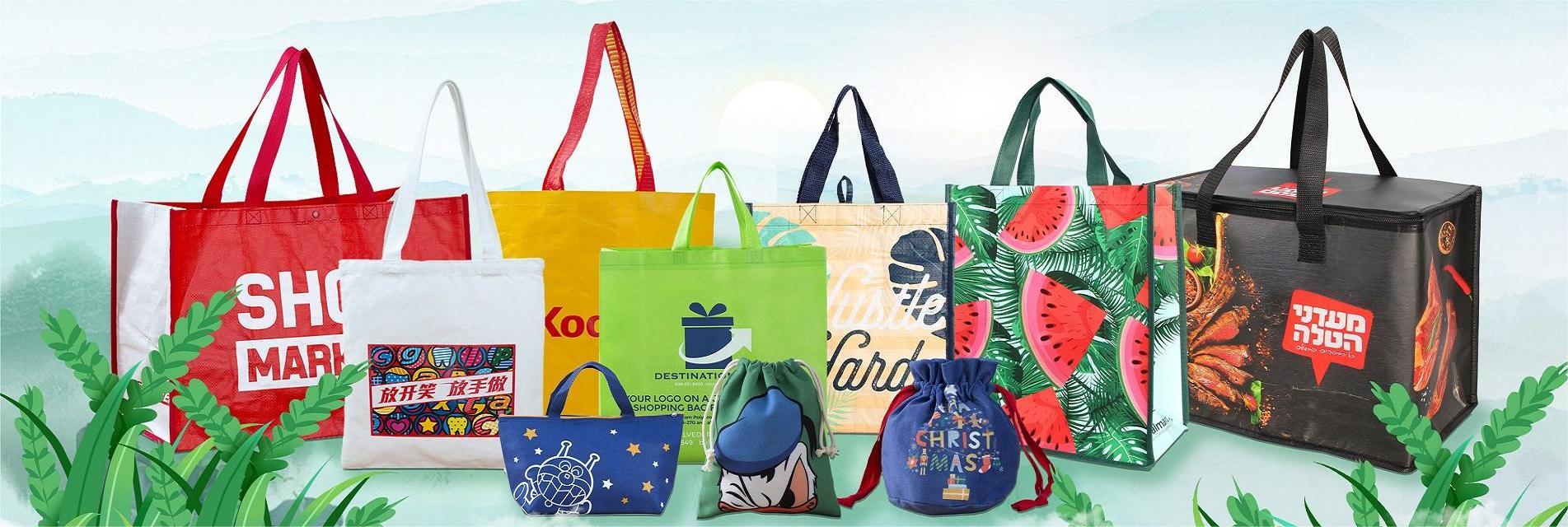
Beyond efficiency, the one-step forming machine offers flexible design capabilities. Manufacturers can produce T-shirt bags, flat bags, gusseted bags, or specialty packaging with customizable sizes, thicknesses, and prints, all within the same production line. This versatility enables businesses to respond quickly to market trends and client requirements.
Environmental benefits are also notable. By optimizing material usage and reducing waste, the machine supports more sustainable production practices, aligning with the growing demand for eco-friendly packaging solutions.
Retailers and manufacturers adopting this technology have reported improved profitability and scalability, making the one-step forming machine a pivotal investment in the future of packaging. With automation set to redefine operational efficiency, the era of high-cost, multi-step bag production is rapidly coming to an end.
Latest News
-
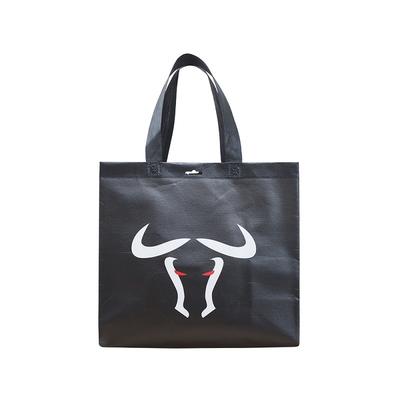
Walmart Adopts One-Step Forming Technology: A Game-Changer for Fast, Customizable Shopping Bags
2025-11-12Walmart is taking a significant step toward modernizing retail packaging with the adoption of one-step forming technology for its shopping bags. This innovative approach promises faster production, enhanced customization, and improved sustainability, positioning Walmart at the forefront of retail packaging innovation.
-
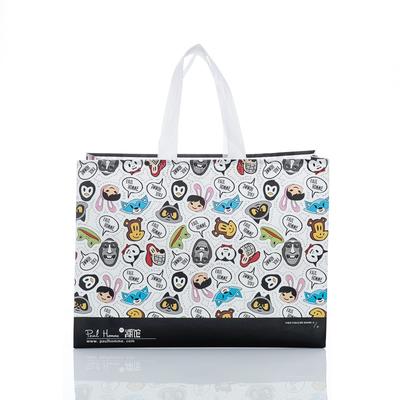
From Plastic to Paper: Are One-Step Forming Bags the Sustainable Packaging Solution for Retail
2025-11-05As retailers seek greener alternatives to traditional plastic packaging, one-step forming bags are emerging as a promising solution. By combining efficiency, versatility, and sustainability, these bags are capturing attention in an industry increasingly driven by environmental responsibility.
-
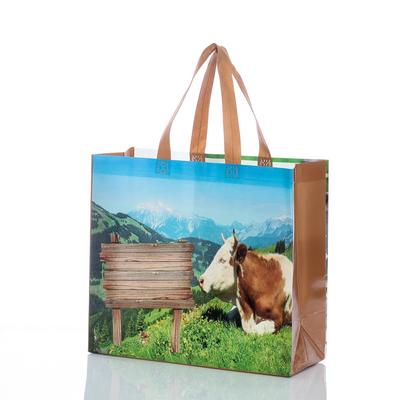
One-Step Forming Machine Revolution: How Automated Bag Production Cuts Costs by 30%
2025-10-29The packaging industry is witnessing a major transformation with the introduction of the one-step forming machine, a technology that automates the production of plastic and paper bags while significantly reducing operational costs. Early adopters report cost savings of up to 30%, making this innovation a game-changer for bag manufacturers and retailers alike.
-

Why T-Shirt Bags Remain the Top Choice for Retailers: Cost, Durability, and Branding Potential
2025-10-22Despite the rise of reusable and eco-friendly alternatives, T-shirt bags continue to be a favorite among retailers worldwide, thanks to their unmatched combination of affordability, durability, and branding potential.